Buying
Real or fake? Five checks before you buy a crystal
4 min read · Updated 19 September 2026
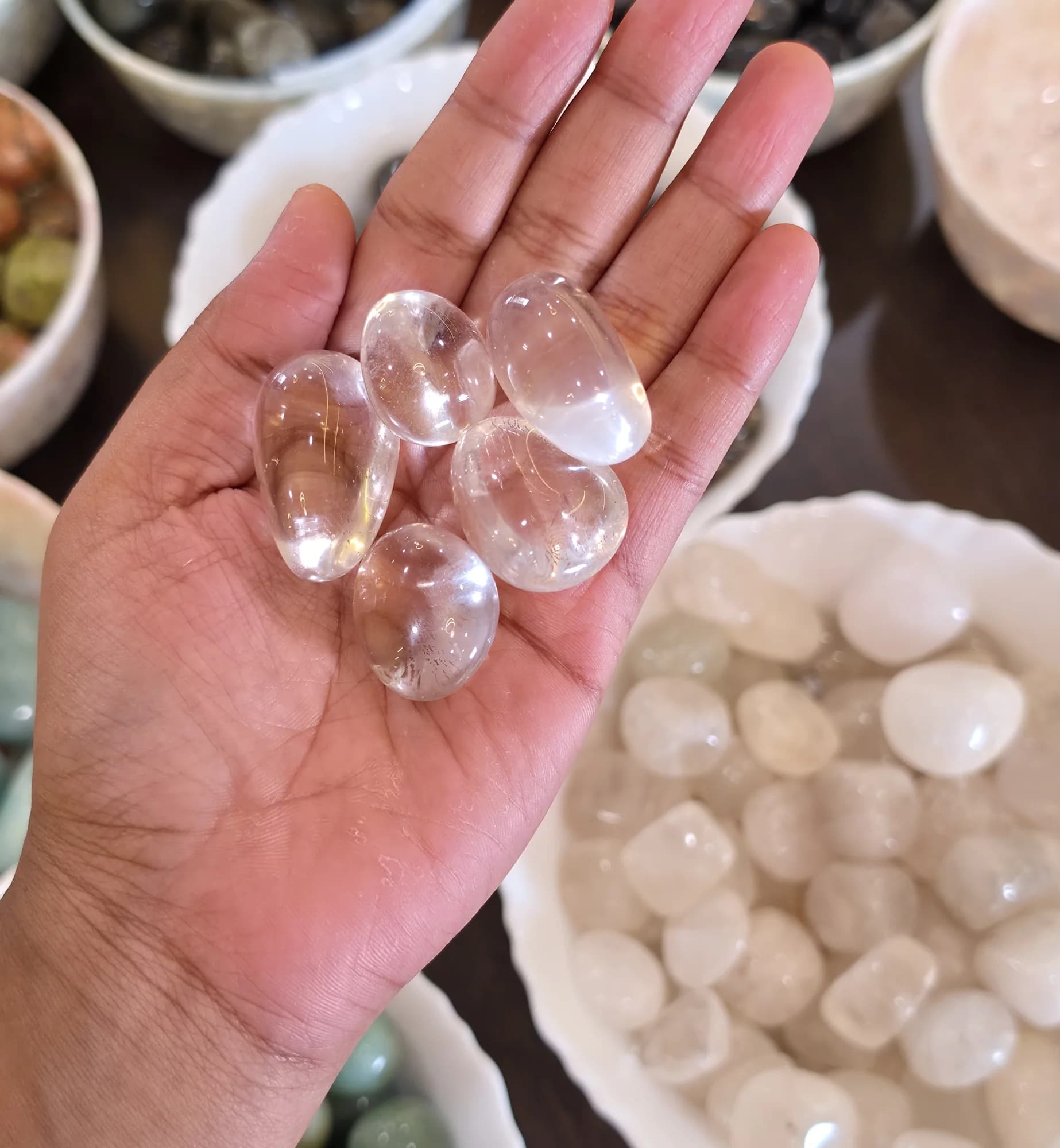
A lot of what is sold as crystal online is glass, resin or a cheaper stone dyed to look like an expensive one. You do not need a lab to spot most of it. These are the checks we use when stock arrives at the studio.
1. Look for bubbles
Hold the piece up to a light. Round air bubbles inside mean glass. Natural quartz can have veils, cracks and mineral inclusions, but not neat round bubbles.
2. Look for colour pooling in cracks
Dye collects in cracks and drill holes, so they look darker than the rest of the bead. Bright blue “turquoise” with dark veins that look painted on is often dyed howlite. Natural colour is uneven across the whole stone, not just in the cracks.
3. Feel the temperature and the weight
Real stone feels cool when you pick it up and takes a while to warm in your hand. Resin and plastic feel room-warm straight away and are noticeably light. Glass is cool too, so use this together with the bubble check.
4. Be suspicious of perfect
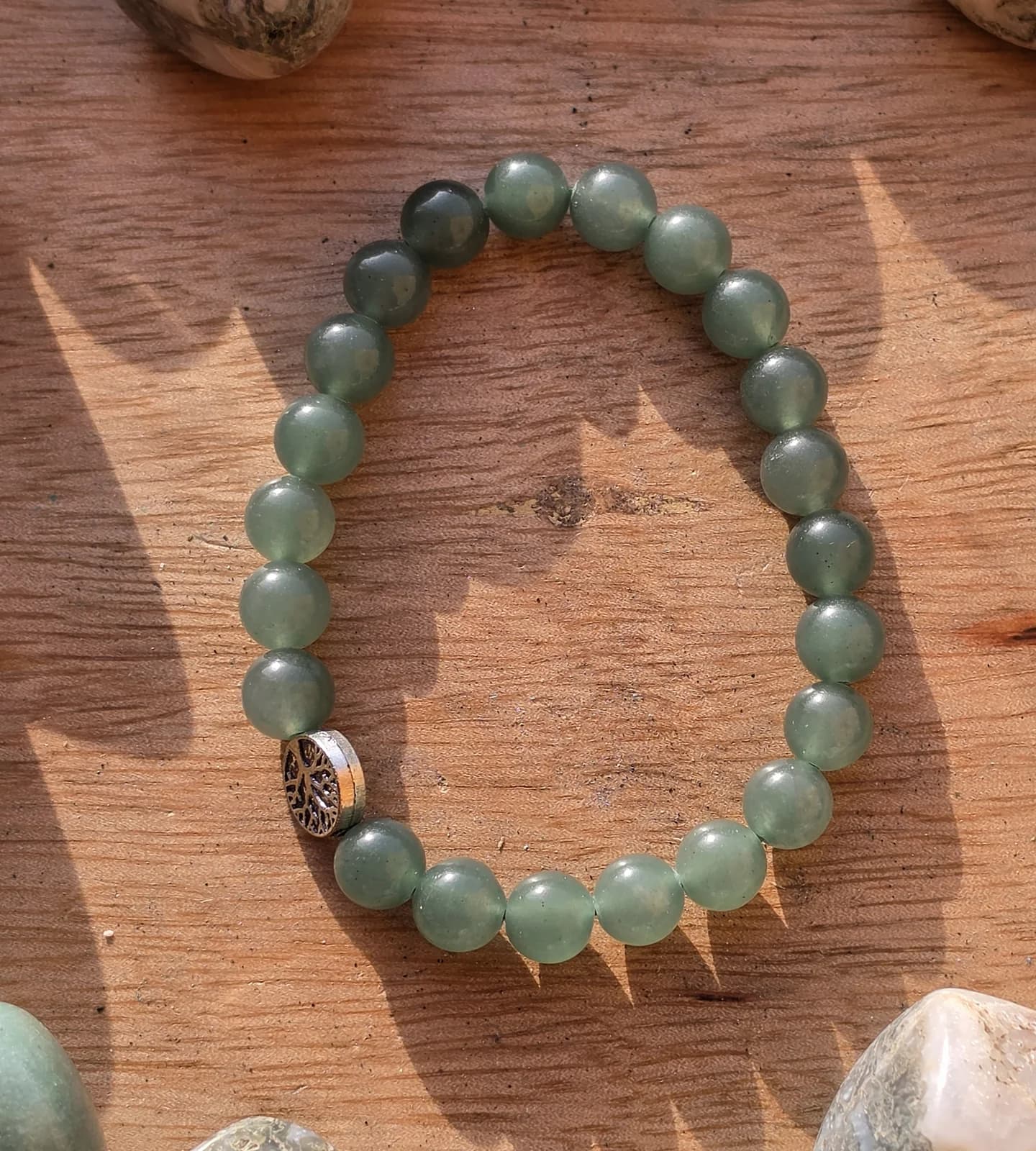
Twenty beads with exactly the same colour and pattern were made in a factory. Natural beads on one strand vary a little in shade, banding and clarity. The same goes for a cluster with flawless, identical points.
5. Ask the seller plain questions
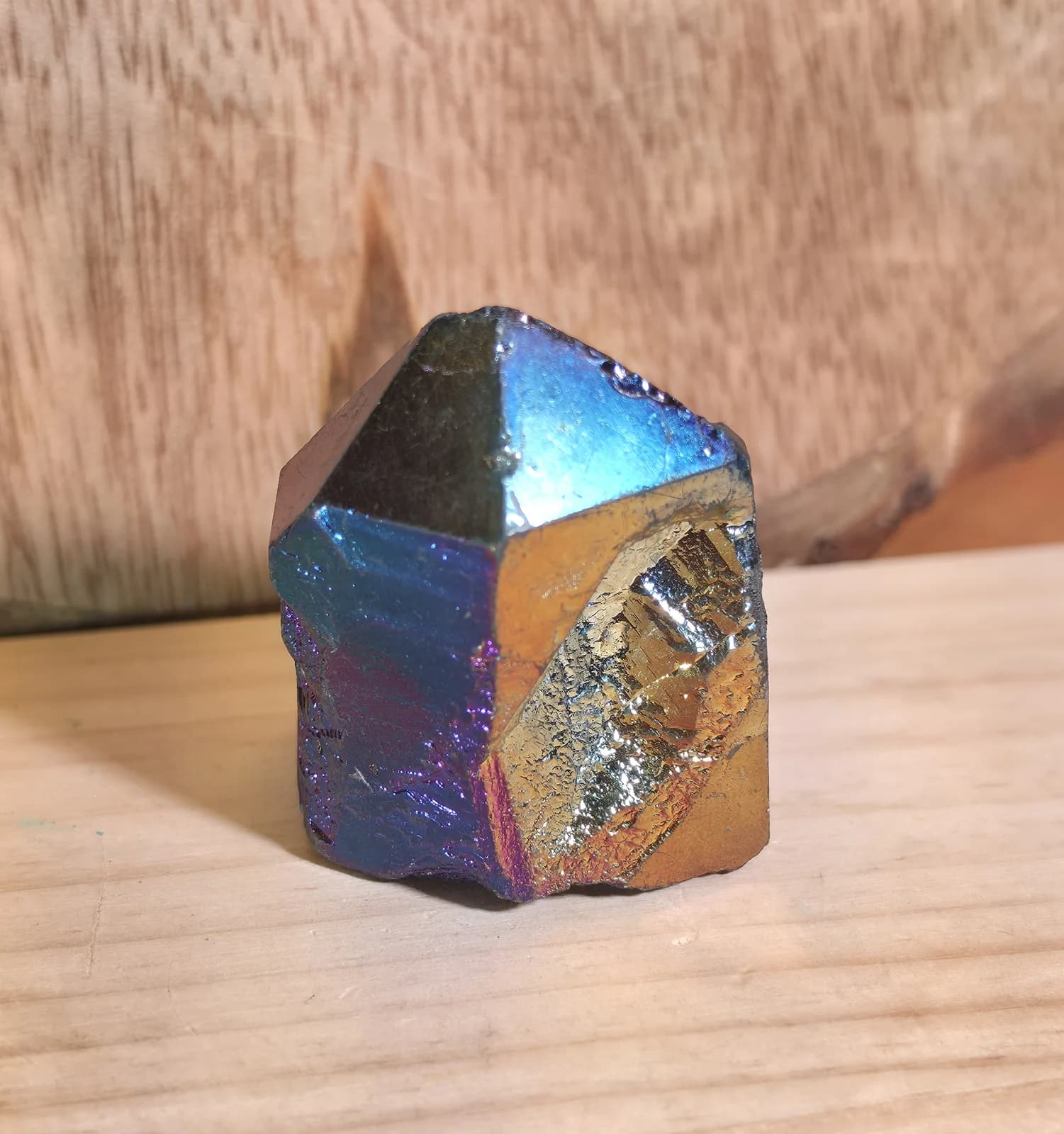
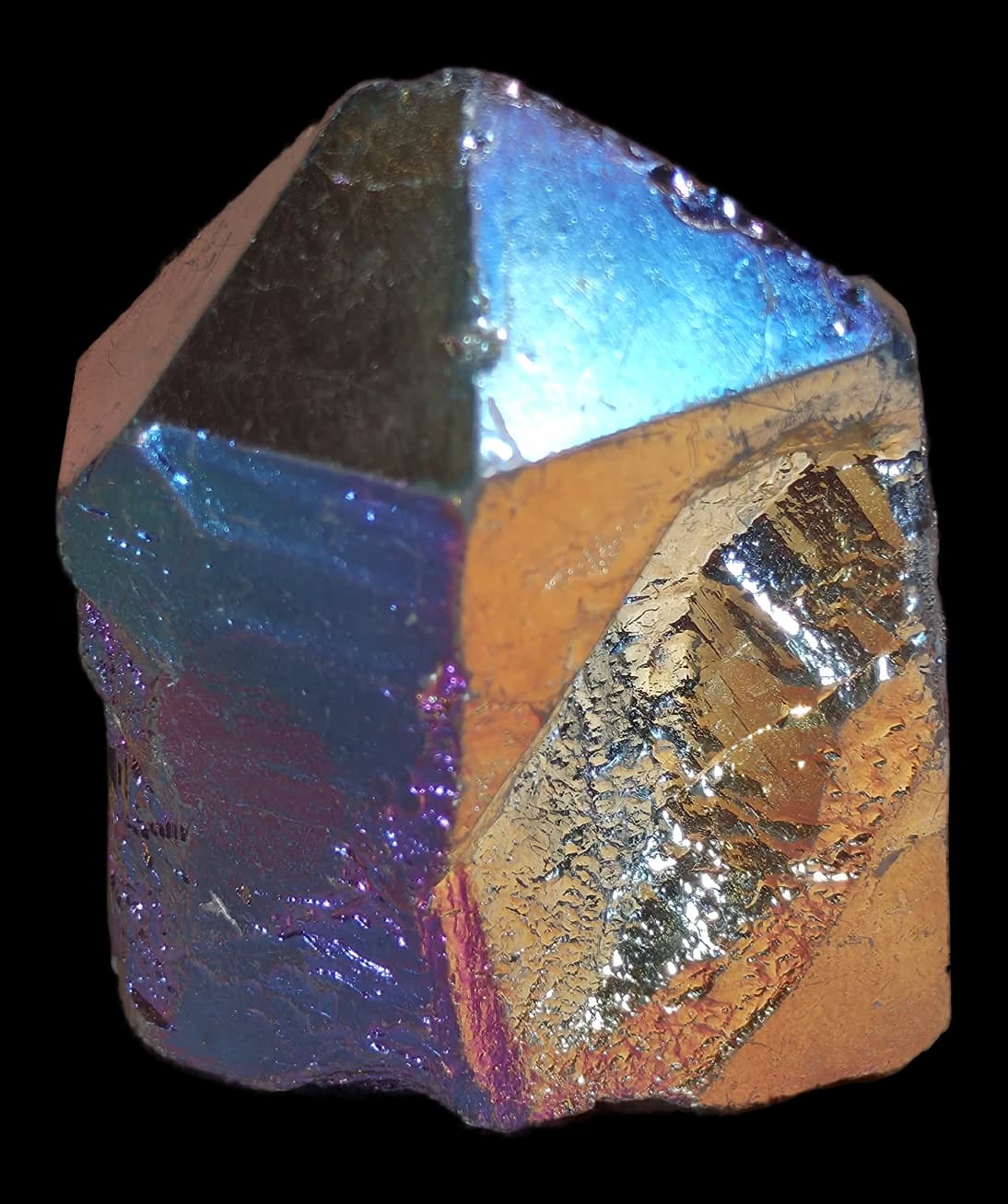
Is it natural? Is it dyed, heated or coated? Where is it from? An honest seller answers all three without fuss, and says so when a stone is treated. Coated stones such as aura quartz are real quartz with a metal coating, and should be sold as exactly that. If the price is far below everyone else’s, there is usually a reason.
Crystals are sold as spiritual and decorative items. What is written here describes tradition and our own practice in the studio. It is not a substitute for medical, financial or professional advice.