Wealth
Citrine bracelet: benefits for abundance, confidence and mood
4 min read · Updated 9 October 2026
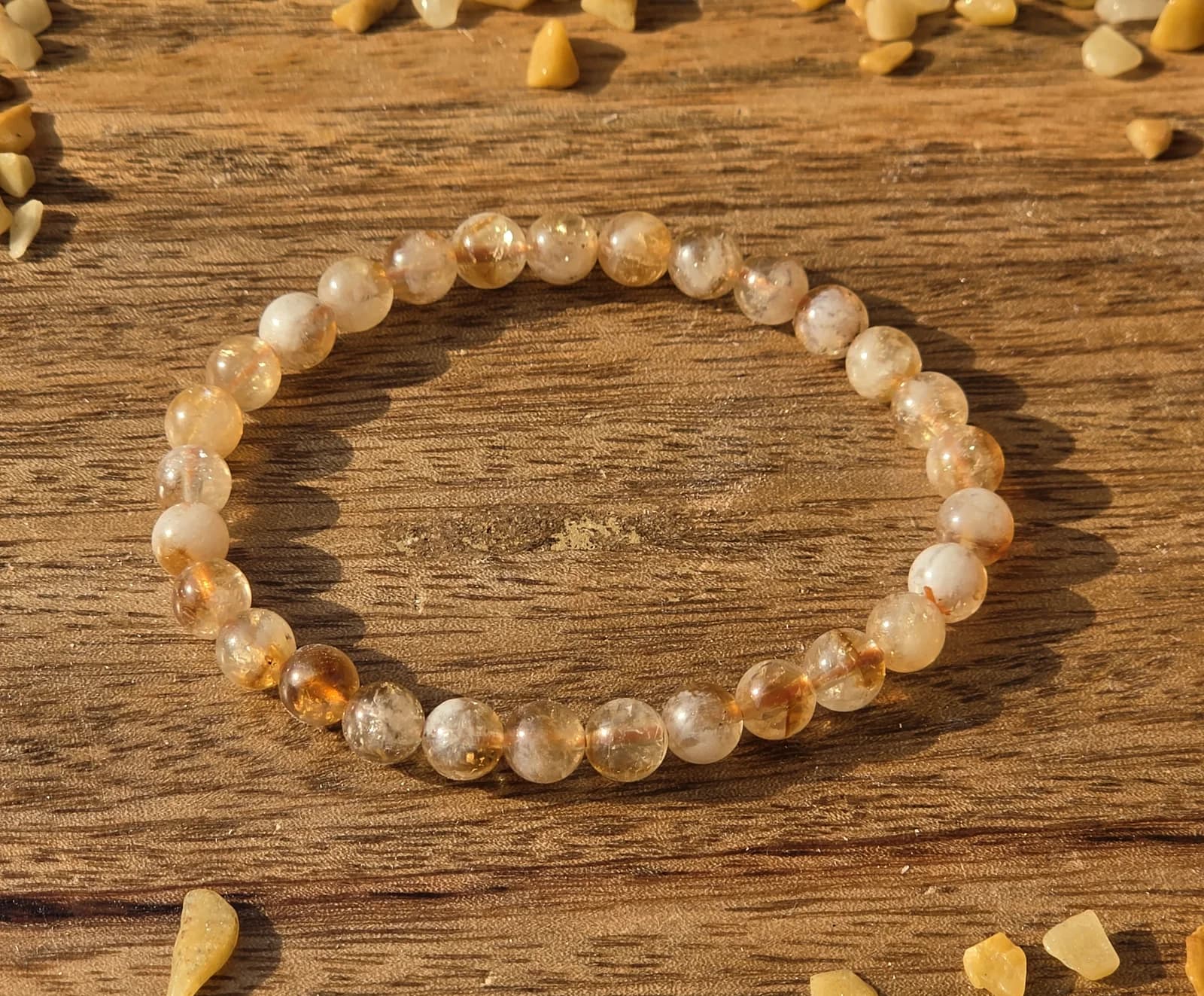
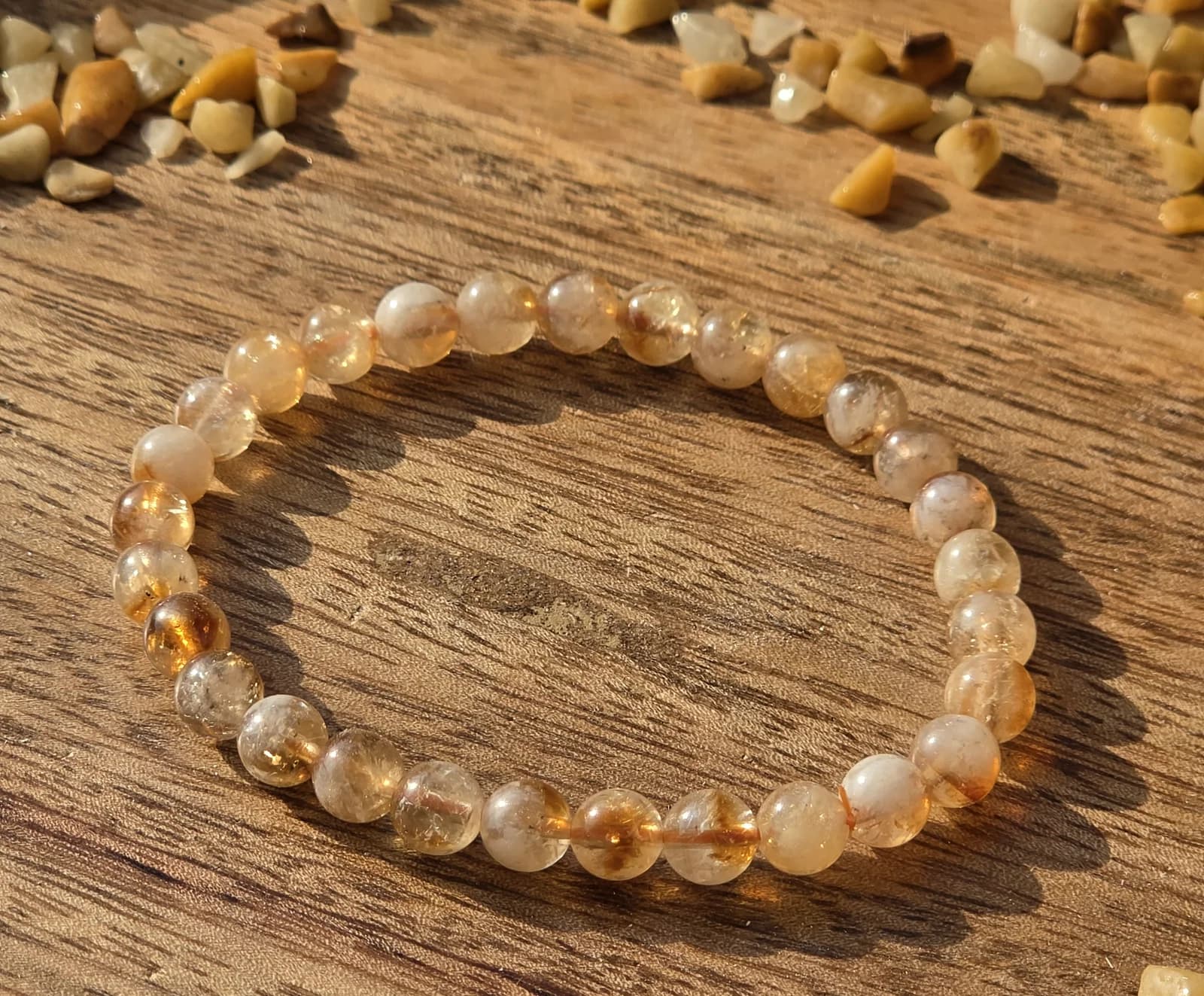
Citrine is the honey-yellow quartz known as the merchant's stone, kept in cash boxes and worn by people who sell. A citrine bracelet carries that intention through the day, and it is one of the few wealth stones that is also worn simply for mood. Here is what it is traditionally for, how to tell natural from heated, and how to wear it.
What citrine is worn for
- Abundance and prosperity. The solar-plexus stone of money that is earned and kept; paired with pyrite for business.
- Confidence and motivation. Citrine is held to be energising rather than absorbing, which is why it is the work-desk stone.
- Optimism. People wear it in grey months and low moods for its sunshine colour and lift.
- Creativity. Writers, designers and students keep it on the desk to start.
Natural or heated citrine?
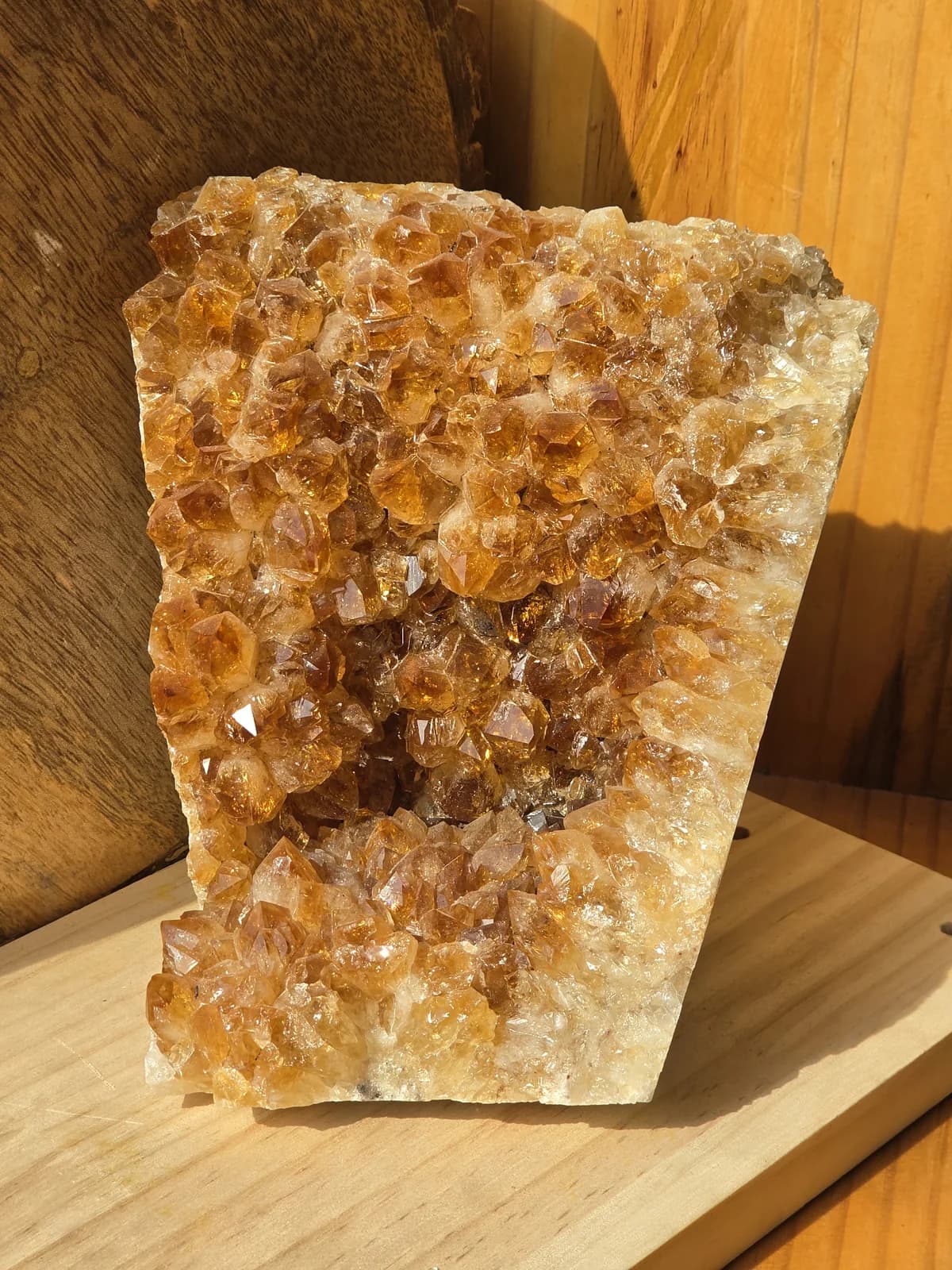
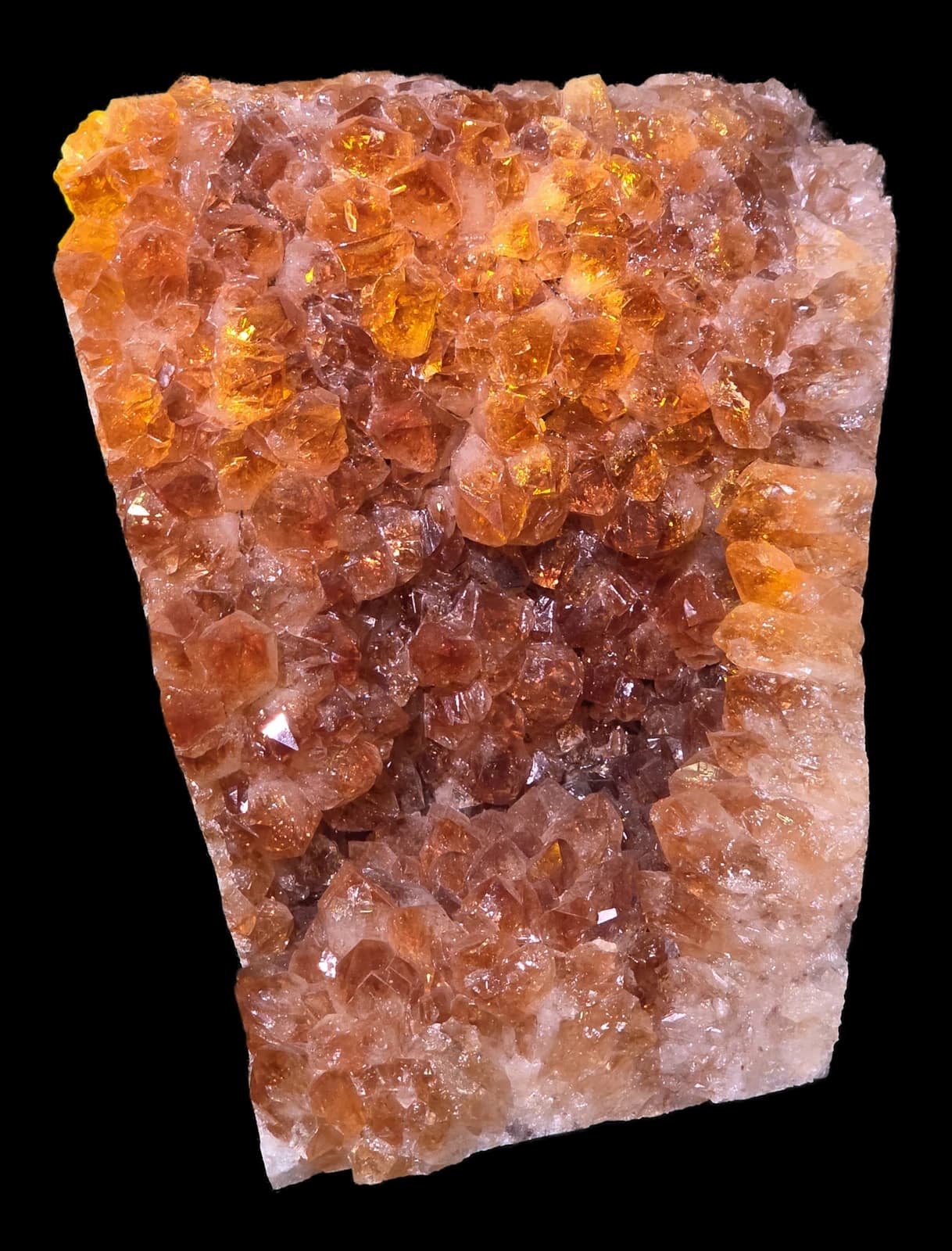
Most bright orange citrine on the market is amethyst heated until it turns yellow-orange; it is still quartz and still used for the same purpose, but it is not natural citrine. Natural citrine is paler: honey, champagne or smoky yellow, often slightly cloudy. Our citrine bracelet is natural pale citrine in 6 mm beads, and we say so on the product page. We also list heated citrine clearly when we carry it.
Which hand, and what to pair it with
Wear citrine on the left hand to draw abundance in, or on the right when you want to project confidence. Pair it with pyrite for money, with green aventurine for new ventures, or with amethyst for a balance of calm and brightness.
Care
Citrine can fade in strong sun, so cleanse it by moonlight or smoke. It is hard enough to rinse, but the elastic is not, so keep water brief. Store it away from perfume.
Every citrine piece at Sacred Divine is energised by Bhaarti Sunny Ghai before it ships. Crystals are sold as spiritual and decorative items.
Crystals are sold as spiritual and decorative items. What is written here describes tradition and our own practice in the studio. It is not a substitute for medical, financial or professional advice.